Category: Story

  • Plant-for-the-Planet — My Journey in the Global Movement for Climate Justice

    Plant-for-the-Planet — My Journey in the Global Movement for Climate Justice

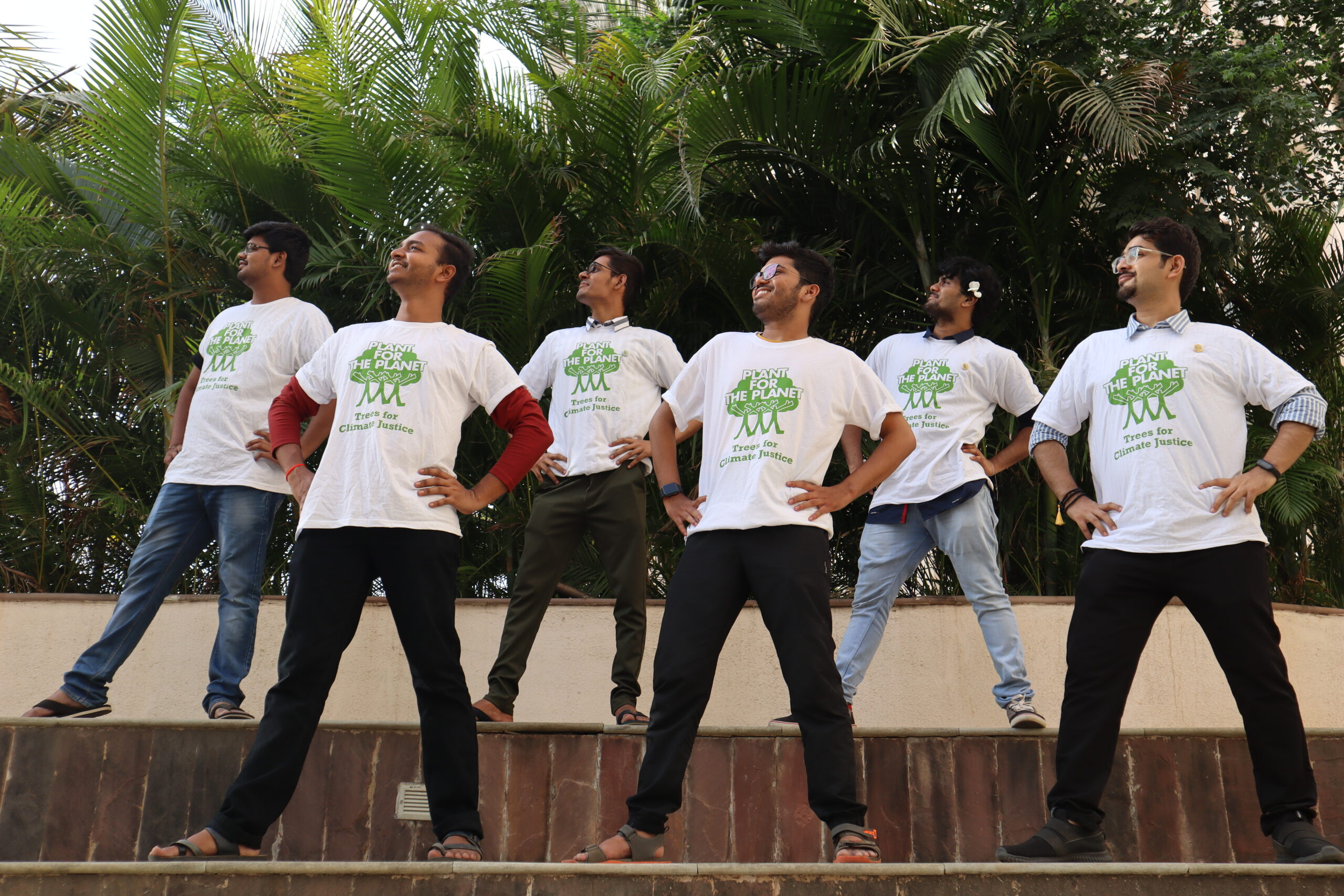
    Today I want to share a part of my journey that has deeply shaped my sense of purpose, collaboration, and impact — my experience with Plant-for-the-Planet.

    When I first came across Plant-for-the-Planet, I was struck by how a global climate movement could be both ambitious in its goals and inclusive in its approach. It isn’t just another environmental organisation — it is a youth-empowerment and restoration movement that believes in practical, scalable solutions in the fight against the climate crisis. (Plant-for-the-Planet)

    What Plant-for-the-Planet Is

    Plant-for-the-Planet began in 2007 when nine-year-old Felix Finkbeiner proposed that children around the world could plant one million trees in every country to combat climate change — a simple but powerful idea rooted in action and justice. (Wikipedia)

    Over the years, this idea evolved from grassroots climate activism into a global movement focused on restoring forests, empowering youth as Climate Justice Ambassadors, and providing free tools and platforms for restoration work. (Plant-for-the-Planet)

    Today, Plant-for-the-Planet’s mission includes:

    • Empowering children and youth through climate education and leadership training. (Plant-for-the-Planet)
    • Supporting forest restoration and conservation projects in ecosystems across the world. (Plant-for-the-Planet)
    • Providing free, transparent digital tools that help people donate to, monitor, and manage restoration projects. (Plant-for-the-Planet)

    Their global vision — to plant one trillion trees — guides much of the organisation’s work and underscores how nature-based solutions are central to tackling climate change. (Wikipedia)

    Joining the Movement Through Code

    My contribution to Plant-for-the-Planet began in a way that reflects both my values and my skill set — through open-source development.

    In 2020, I started contributing to the Plant-for-the-Planet Web App — an open-source platform called Forest Cloud that powers key parts of the Trillion Tree Campaign. (GitHub)

    Forest Cloud and its associated ecosystem — including tools like TreeMapper and the Restoration Platform — are aimed at making reforestation transparent, traceable, and accessible to individuals, organisations, and communities around the world. (Plant-for-the-Planet)

    By March 2022, I had become one of the top open-source contributors to the project (ranked #2 by contributions in the planet-webapp repository between June 2020 and March 2022). This was more than writing code — it was about building infrastructure for impact. Seeing features come to life and help visualise tree donations or restoration progress was deeply motivating and taught me a lot about collaborative, purpose-driven software development.

    What I Learned Along the Way

    Working with Plant-for-the-Planet reinforced some powerful lessons:

    1. Climate action is both local and global.
    Plant-for-the-Planet connects local planting efforts and youth leadership with a global framework and tools that unlock resources for restoration everywhere. (Plant-for-the-Planet)

    2. Technology can democratise impact.
    By contributing to open-source platforms, I saw first-hand how accessible digital infrastructure can enable anyone to support restoration, track progress, and donate with confidence. (Plant-for-the-Planet)

    3. Youth leadership is real leadership.
    The organisation’s model — training Climate Justice Ambassadors through peer-to-peer learning and action — shows how young people can not only lead but educate others and shape real outcomes. (Plant-for-the-Planet)

    Looking Back, Moving Forward

    My time with Plant-for-the-Planet wasn’t just a chapter in my professional journey — it was a worldview shift. I appreciated being part of a community that tackles one of our generation’s biggest challenges while staying anchored in optimism and measurable action.

    Even now, when I think about climate solutions, I think about forests, community, and transparent tools — and how each of us, regardless of age or background, can contribute in meaningful ways. Plant-for-the-Planet gave me a space to do that, and I’m grateful for every line of code, every discussion, and every shared mission that made this journey unforgettable.
  • Enroot Innovation Foundation — How It Started, What It Means, and Why It Matters

    Enroot Innovation Foundation — How It Started, What It Means, and Why It Matters

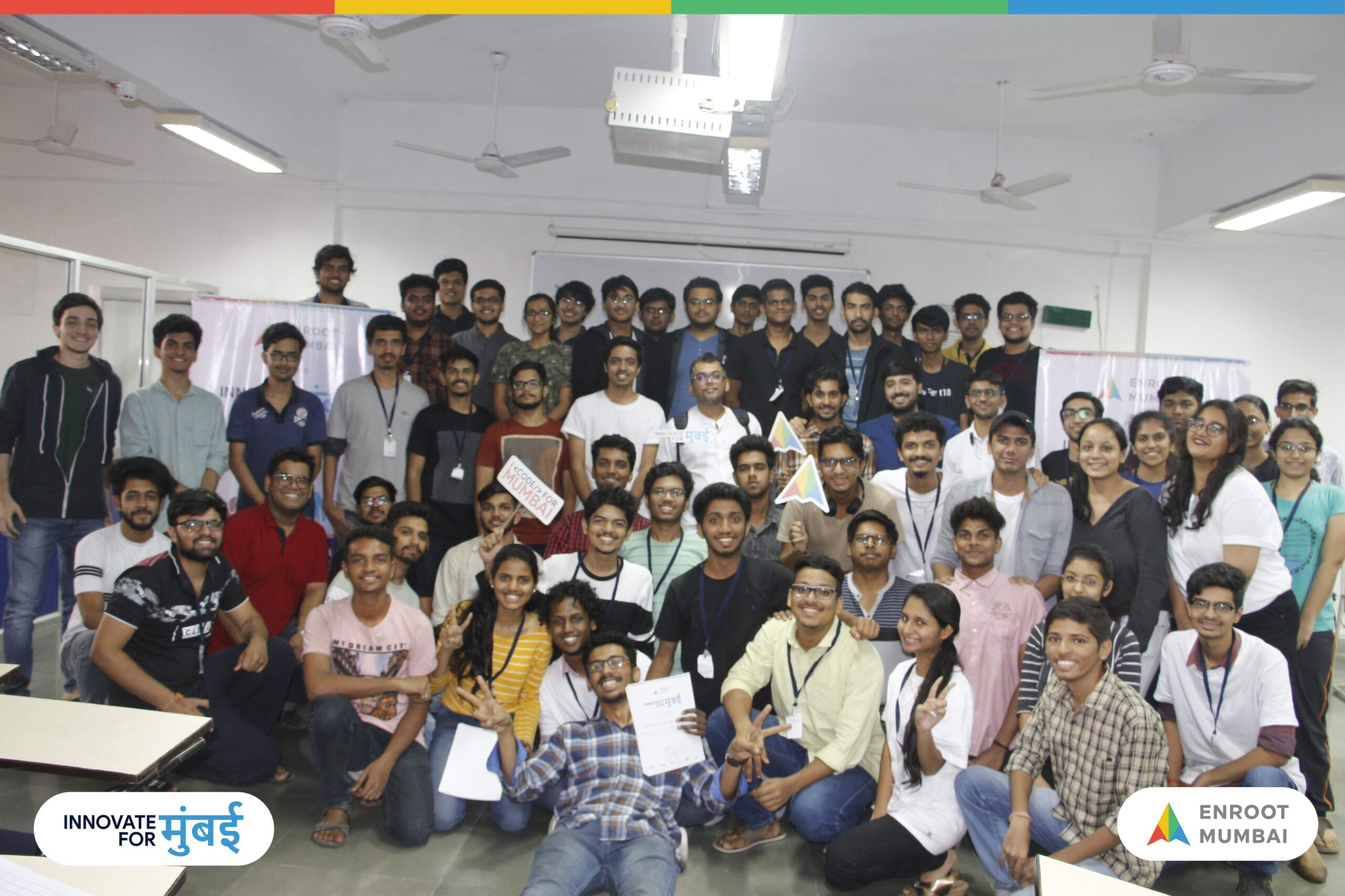
    When I look back at the start of my professional journey, one of the most formative experiences was being part of a collective effort that was more than just an organisation — it was a community with a purpose. That is how I first encountered Enroot Innovation Foundation (Enroot Mumbai) — a grassroots-driven innovation platform rooted in Mumbai that strives to do social good through creativity, design thinking, and collaboration.

    Enroot wasn’t born out of a boardroom or a business plan drafted in isolation. It started with a group of curious, passionate people in Mumbai — a bunch of “crazy” innovators, as we sometimes joked — determined to solve real-world problems collaboratively and support each other’s growth. What tied us together wasn’t just a cause, but a belief that community-led innovation could create sustainable and human-centred solutions for society’s pressing challenges. (Enroot)

    The Beginning: Community First

    In its early days, Enroot was very much a community effort. The philosophy was simple: bring together motivated individuals from diverse backgrounds — technology, design, engineering, social development — and let collective problem solving lead the way. The mission was clear: to cultivate an attitude of problem solving among the citizens of Mumbai with collaborative support. (Enroot)

    This community-first approach meant that everyone involved was learning as we built — first from each other, then from our partners and the real communities we were trying to serve. It was a place where volunteering was not just about giving time, but about learning, experimenting, and growing together.

    From Community to Impactful Action

    As this community matured into a more structured organisation — now formally known as Enroot Innovation Foundation — the work broadened while staying true to its roots. Enroot positioned itself as an innovation-first organisation that uses design thinking and engineering innovation to create sustainable solutions for social change. (Enroot)

    The ethos was not just “do good,” but amplify the good already being done. The foundation believed that many NGOs and social initiatives struggle not because of lack of intent, but due to limited resources, technological integration, and fragmented collaboration — areas where an innovation mindset can make a big difference. (Enroot)

    Project Work and Real-World Outcomes

    One of the things I’m proudest of during my time with Enroot is how theory turned into action. A few examples of this include:

    • Myna App — A platform to empower young underprivileged women with access to health and well-being resources. (Enroot)
    • Global Parli — A rural empowerment initiative focused on 360-degree village development. (Enroot)
    • COVID-19 Maharashtra Tracker — A multilingual resource during the pandemic. (Enroot)
    • Creating Abilities — An initiative to uplift and support the specially-abled community. (Enroot)
    • Saplings for Farmers — A regional digital platform to support farmers with sapling access and agricultural knowledge. (Enroot)

    These were not just theoretical ideas — they were real projects developed with teams, stakeholders, and communities at the centre. Looking back, every team effort taught us something about empathy, iterative design, and human impact.

    What I Learned and Why It Matters

    My role in Enroot — especially as someone leading engineering contributions — wasn’t just about writing code or building apps. It was about listening to lived experiences, understanding constraints, and working with communities rather than for them. It shaped my approach to not only technology but also collaboration, empathy, and purpose.

    At a moment when technology often creates distance, Enroot reminded me that true innovation bridges gaps — between communities and opportunities, between empathy and execution.

    The Path Ahead

    Even in early 2022, it was clear that Enroot was more than an organisation — it was a learning ecosystem. The journey from an informal community in Mumbai to an active innovation foundation showed what happens when passion meets structure, and when people choose to collaborate instead of compete. (Enroot)

    As I continue my path beyond Enroot, the lessons from those early days stay with me. They influence how I think about creating value — not just in terms of outputs or products, but in the lives impacted along the way.